Open Sign-Up or Personal Invitation?
Open sign-up or personal invitation? Choose an approach that makes a community project’s purpose, expectations and welcome clear to the people you hope to involve.
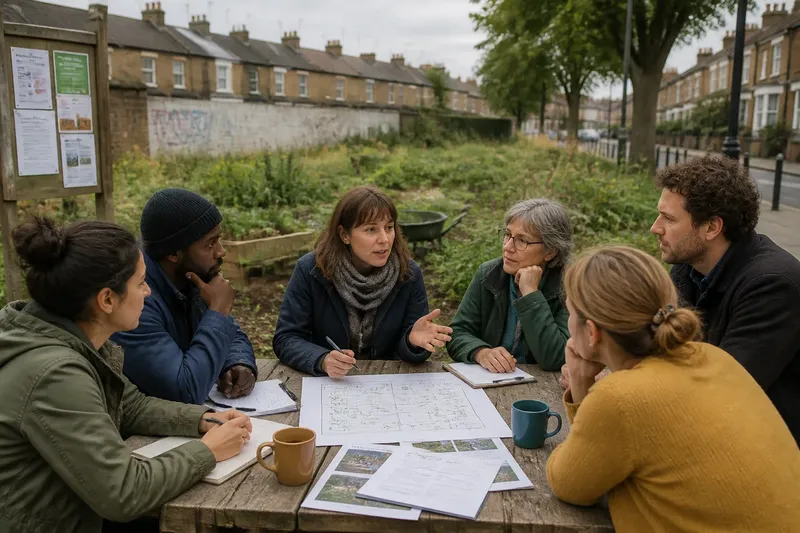
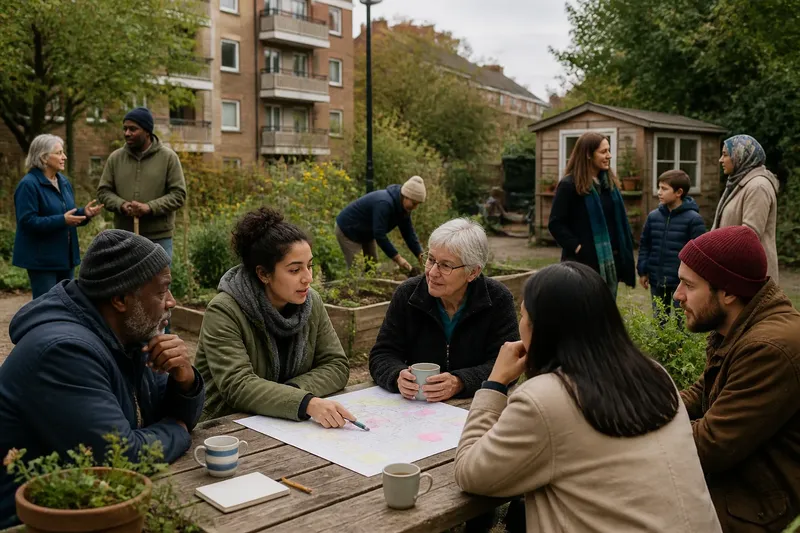
Open sign-up or personal invitation? Imagine your neighbourhood group has one Saturday to turn a neglected corner plot into a place for growing herbs. The task is clear, but the group must decide how to invite people: post a public sign-up link, contact neighbours directly, or combine both. That choice affects who hears about the project, what they think joining involves and whether they feel the invitation includes them.
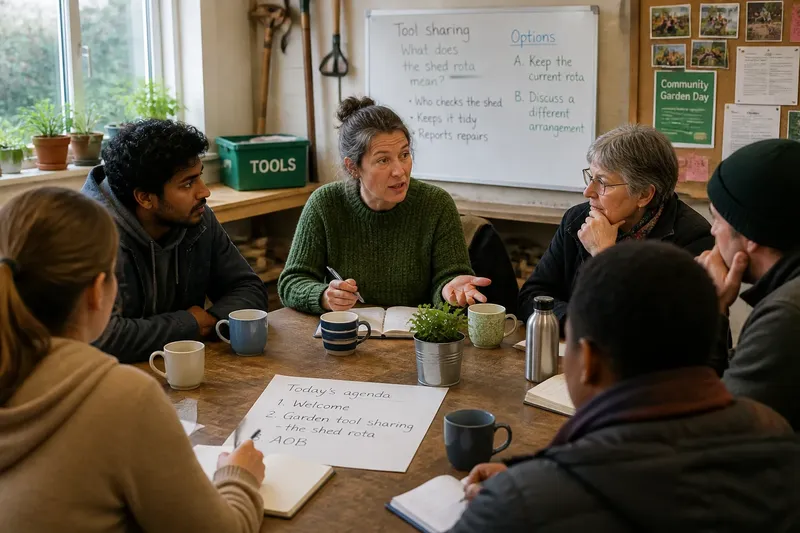
Say the group is fictional and its starting point is a planning chat with six regular volunteers. They want to bring in people beyond that circle, but they have no reliable list of everyone nearby. They decide to compare the two invitation methods by following what each one communicates, then revise their approach before sharing it. The aim is not to fill a fixed number of places; it is to make participation understandable and genuinely accessible.
Open sign-up makes the route into a project visible
The group creates a simple public notice for a library board, a neighbourhood email list and a community social media page. It says what the project is, where it will happen, what participants can do, how long the session is expected to last and how to ask a question. The sign-up form asks only for a name and a preferred way to be contacted.
This approach can reach people outside the organisers’ personal circles. A neighbour who has never attended a group meeting can see the same information as a regular volunteer and choose for themselves whether to respond. The open route also gives the project a public face: participation is not presented as something available only to people already known by the group.
But an open link does not explain itself. A bare message such as “Join us in the garden” leaves readers guessing about the work, the welcome and the commitment. Some may assume they need gardening knowledge; others may not know whether children can come, whether tools are supplied or whether they can help for only part of the session.
In the imagined situation, the first draft says only “Help us make the plot beautiful”. The organisers notice that it names an outcome but not the work or the conditions for joining. They replace it with a short description: volunteers will clear litter, label existing beds and plant herbs; no gardening experience is needed; gloves and hand tools will be available; people may choose a task on arrival. The expected observable result is that prospective participants can judge the invitation against their own interests and constraints.
Personal invitations make the welcome specific
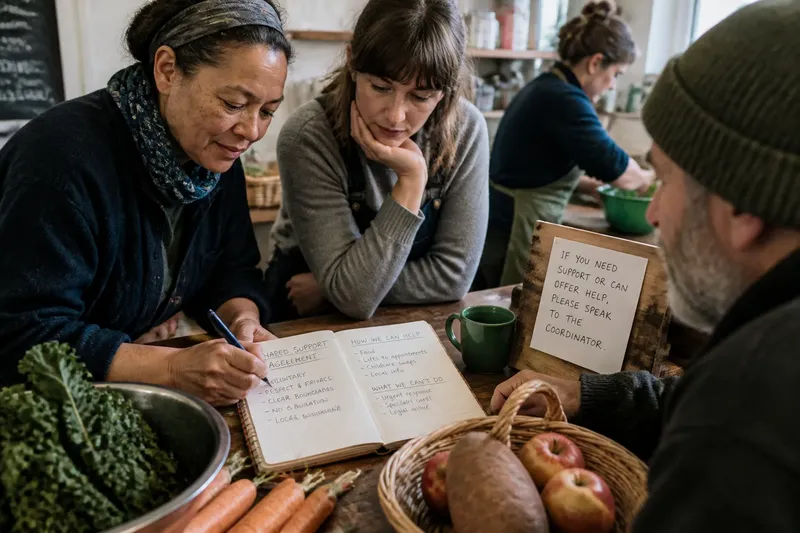
Alongside the public notice, two organisers contact people they have met at the library and a nearby tenants’ group. Each message explains why that person came to mind, while making clear that there is no obligation to say yes. One organiser asks a local cook who has spoken about shared meals; another contacts a neighbour who has asked how to get involved in the area.
A personal invitation can cut through uncertainty. Rather than wondering whether the project is meant for them, a recipient can ask the sender what the work will involve or say that a different kind of contribution would suit them better. The direct message also lets the organisers explain the invitation in language that fits the person’s previous interest.
Yet personal contact carries its own signal. A recipient may think the group is selecting preferred participants, or that accepting means taking on an ongoing role. Someone who is never approached may conclude that they do not belong, even if a public notice is also available. The invitation needs to say what is being asked and avoid implying that a personal connection is a condition of entry.
In the fictional case, the cook replies that they cannot attend but could share a recipe for using the herbs later. The organiser thanks them, says that this is welcome but optional, and points out the public sign-up for anyone who wants to join on the day. The observable result is a useful conversation without turning a declined invitation into a test of loyalty or an assumed commitment.
Use the route that matches the participation you can offer
The group now compares the methods against its actual purpose. It does not need a closed team with specialist skills; it wants a broad mix of neighbours to take part in a defined community task. That makes an open invitation important. Personal invitations can still help people notice the opportunity, especially those who may not follow the usual noticeboards or online channels.
The organisers keep the public sign-up as the main route and use direct messages as an additional, personal welcome. They give both routes the same core facts: the task, place, timing, available materials and way to ask questions. The public notice does not hide the invitation behind a request to know an organiser, and personal messages do not suggest that recipients have been specially chosen.
They also make room for different levels of participation. The notice says someone may take one small task, stay for part of the session or simply ask what the project involves before deciding. This matters because an invitation can appear open while still carrying an unspoken expectation of a full day, physical work or future attendance.
Think of the two routes as different doors into the same room. A public sign-up is like a clearly marked entrance; a personal invitation is like a neighbour showing you where the entrance is. Neither works well if the door leads to an experience the message has not described.
Check whether each invitation gives people enough to decide
Before publishing the notice or sending messages, the group reads each one as if it had never heard of the project. It checks for the practical details and the social cues that determine whether a prospective participant can make an informed choice:
- Purpose: Does the invitation say what the group hopes to do, in plain terms?
- Tasks: Can someone picture the activities, rather than being asked to help with a vague outcome?
- Commitment: Is it clear whether joining once is welcome or whether ongoing involvement is being requested?
- Access: Does the notice explain how to ask about access needs, transport or other practical concerns?
- Choice: Can a person decline, ask a question or offer a different contribution without pressure?
- Route in: Is there a clear way to respond that does not depend on knowing an organiser?
The group edits one line after this check. “Come and help us all morning” becomes “Drop in for a task that suits you; tell us if you need details before deciding.” That wording makes the invitation more specific about choice without promising that every possible arrangement will be available. If a participant needs an adjustment, the organisers can discuss what is feasible rather than leaving them to guess.
What should the invitation say about joining?
Does open sign-up mean anyone can take part?
It signals that people can express interest without a personal introduction, but the invitation still needs to state the activity and any real constraints. If a role requires particular experience or has limited capacity, say so plainly and explain how people can ask about alternatives.
Can a personal invitation feel exclusive?
It can if it sounds like selection, carries an implied obligation or is the only route into the group. Make the message optional and pair it with a public way to learn about the project or take part.
Which approach works for a new community group?
Use an open notice when broad access and visibility matter, then invite people directly when a personal connection could help them understand the opportunity. Keep the information consistent so one route does not promise a different project from the other.
How can organisers tell whether the wording is clear?
Ask someone unfamiliar with the project to read the invitation and describe what they think they would do, how much they are being asked to commit and how they could respond. If their understanding differs from the organisers’ intent, revise the wording before sharing it more widely.
Review the response without treating silence as a verdict
In the imagined situation, the public link receives a few replies, while the direct messages lead to questions and one alternative contribution. The organisers do not treat either response as proof that one method is better. A person may see a notice and not be free that day; another may appreciate a message but prefer to join a future project.
After the session, they note what people asked before deciding to come: whether tools were supplied, whether a short visit was acceptable and what would happen if it rained. Those questions give the group concrete improvements for its next invitation. They also ask participants how they heard about the project, without asking anyone to justify a decision not to attend.
The practical lesson is to choose invitations by the signal you want to send, not by habit. For this neighbourhood project, open sign-up makes entry visible and direct invitations make the welcome personal; both work best when the request is specific, optional and consistent. For an open sign-up or personal invitation, begin with a sentence that lets a stranger understand the task and the freedom they have to say yes, no or “tell me more”.